2025
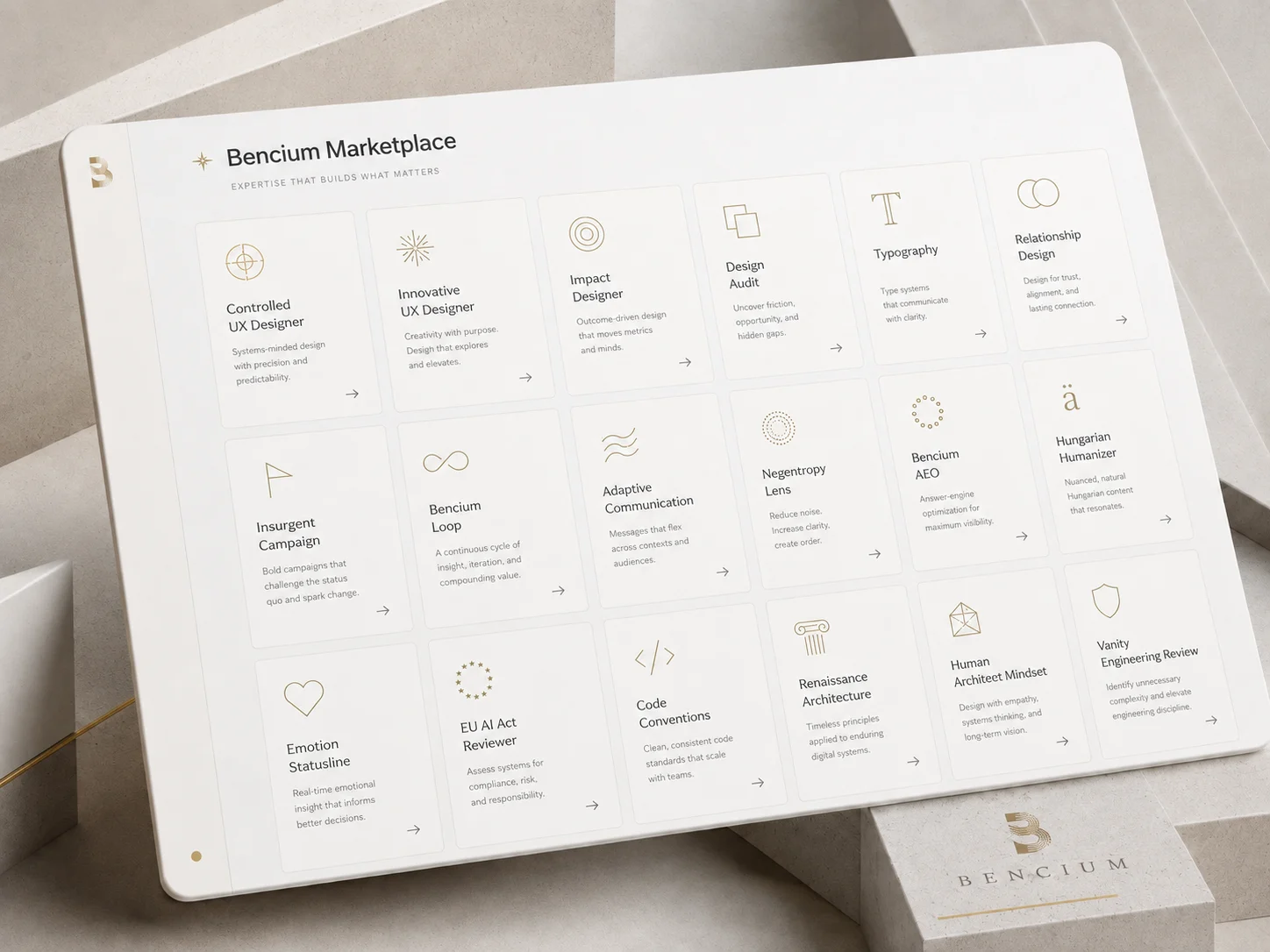
Bencium Skill Marketplace
An open collection of small, readable working methods for design, architecture, review, communication, compliance, and delivery.

Real products and focused experiments across agentic tools, healthcare, publishing, property, and creative work.
Products, skills, and guides that make delegated work easier to inspect, approve, and correct.
An open collection of small, readable working methods for design, architecture, review, communication, compliance, and delivery.
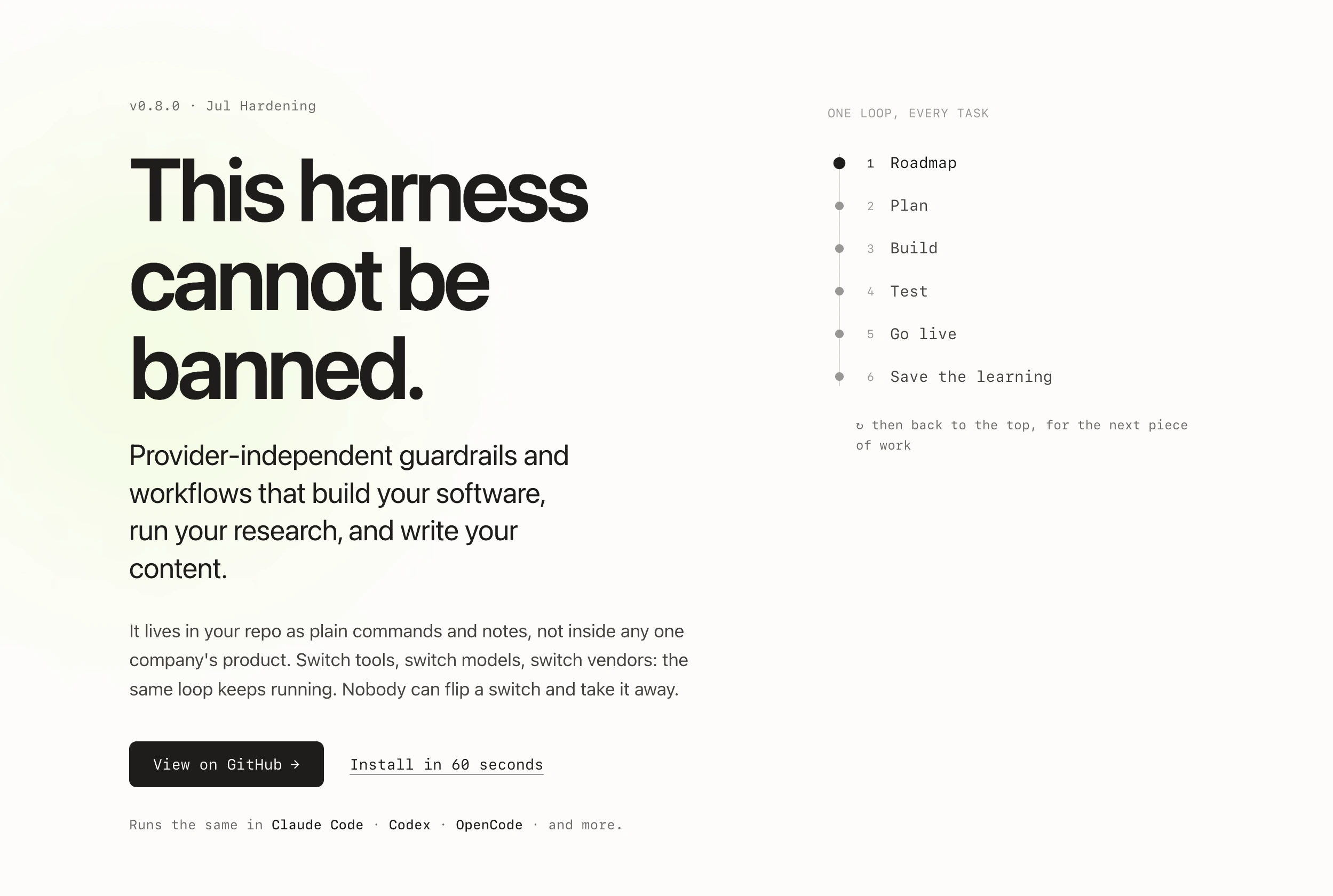
A provider-independent work harness that lives in your own project, keeping its plan, proof, decisions, and memory portable across tools and vendors.
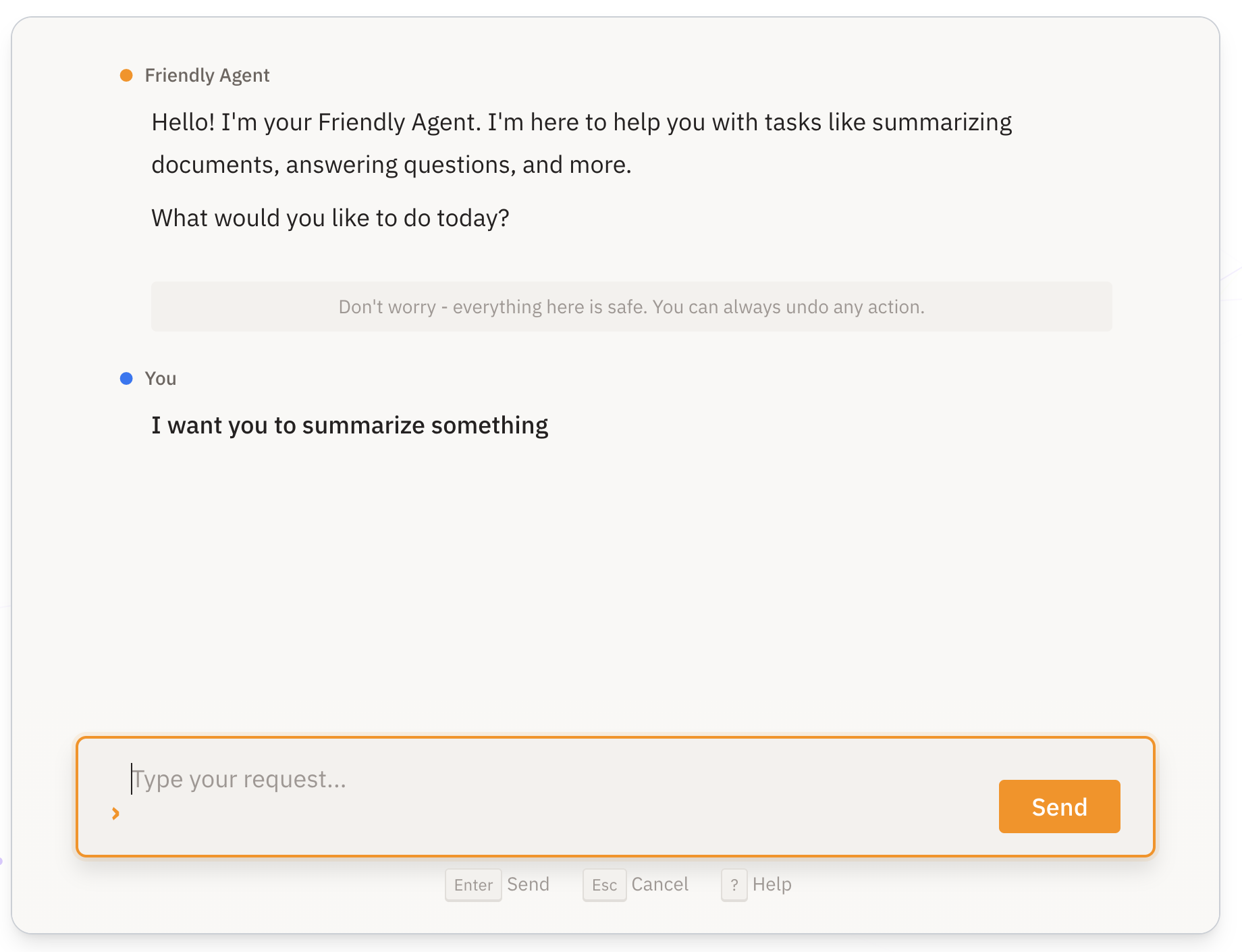
An interaction mock-up for a friendly browser-based agent, designed for people who do not use terminals or developer tools.
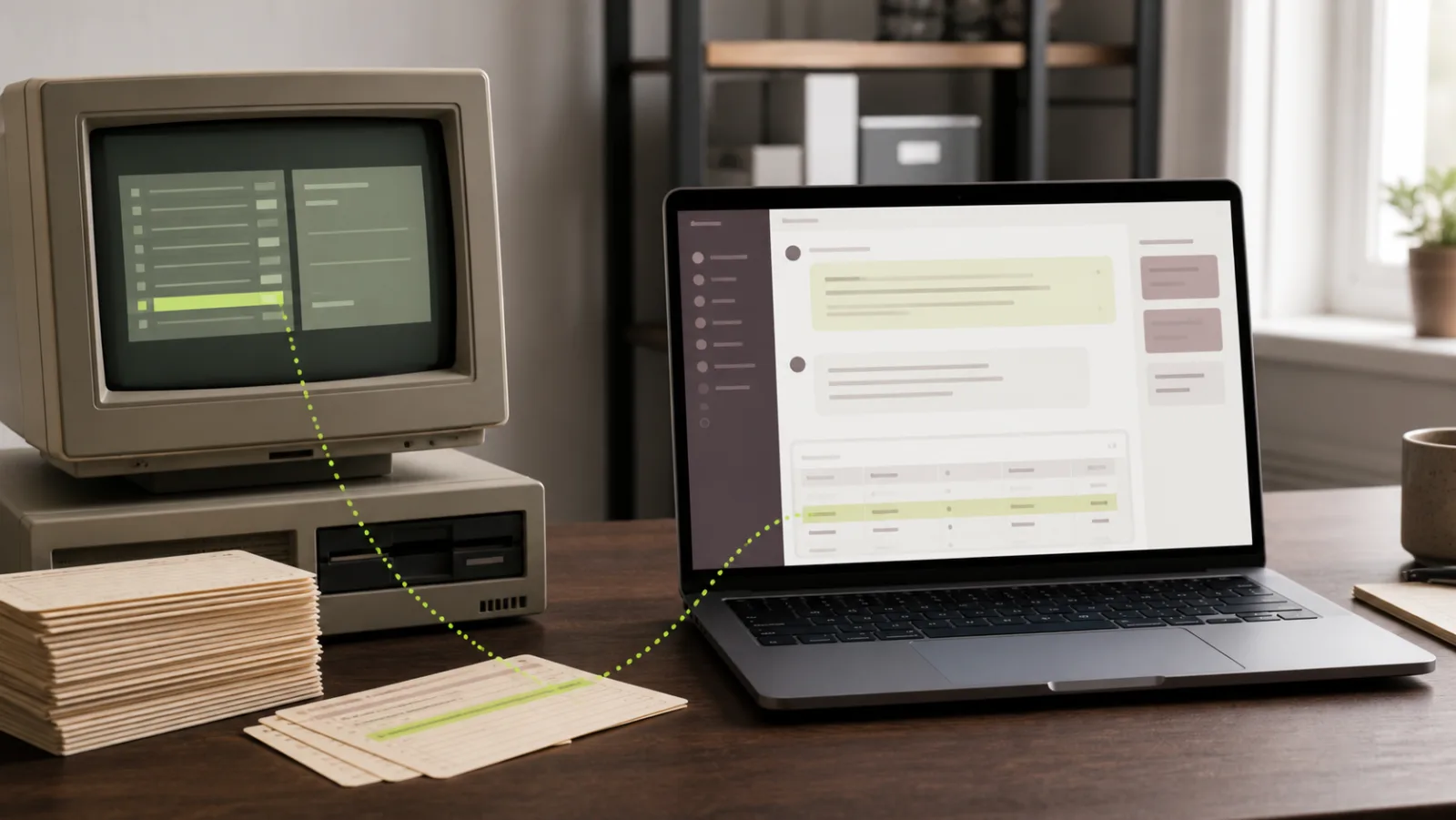
A mobile copilot that helps field teams work with operational records held in established business systems.
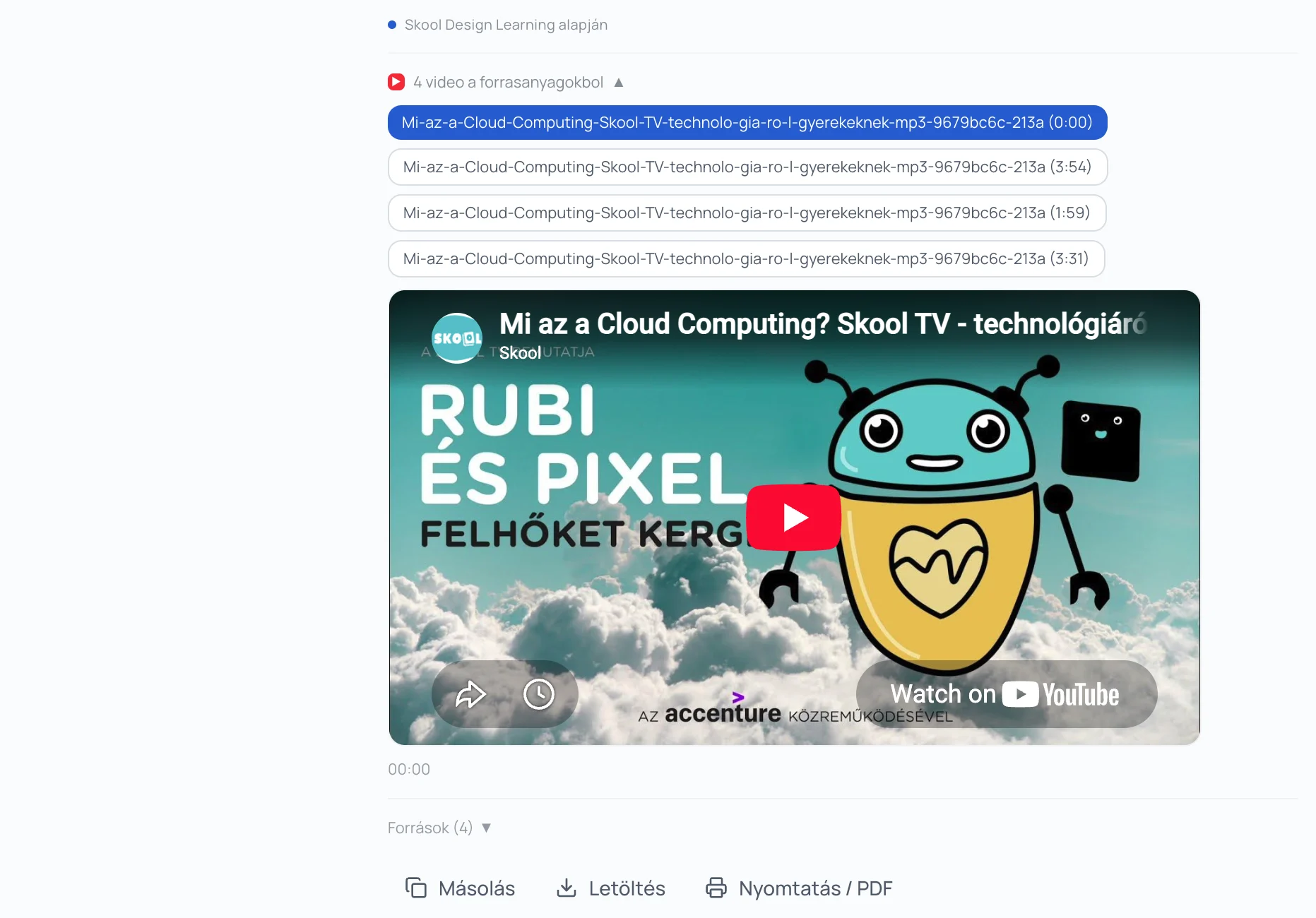
A teaching assistant for educators working with 3-18 year olds, already used in private and government schools and due to be released nationwide.
A Claude campaign-planning Skill for people who are outspent and outgunned, also portable to OpenCode, Cursor, Codex, and other compatible agent environments.
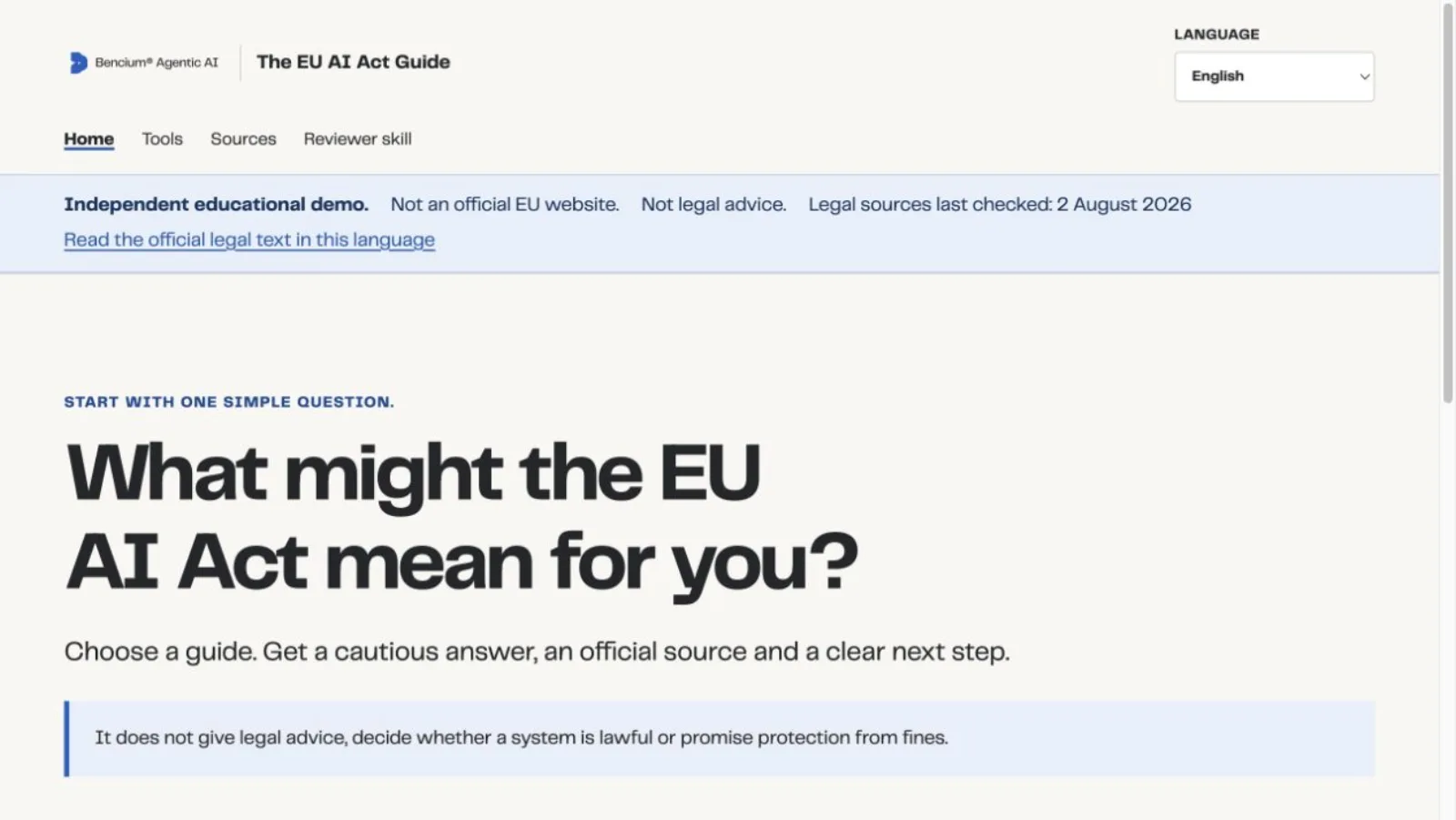
A portable, read-only Skill that reviews supplied product evidence, flags EU AI Act provisions that may matter, and prepares focused questions without issuing a legal or compliance verdict.
Conversational and information tools built around clear limits, private records, source material, and professional judgement.
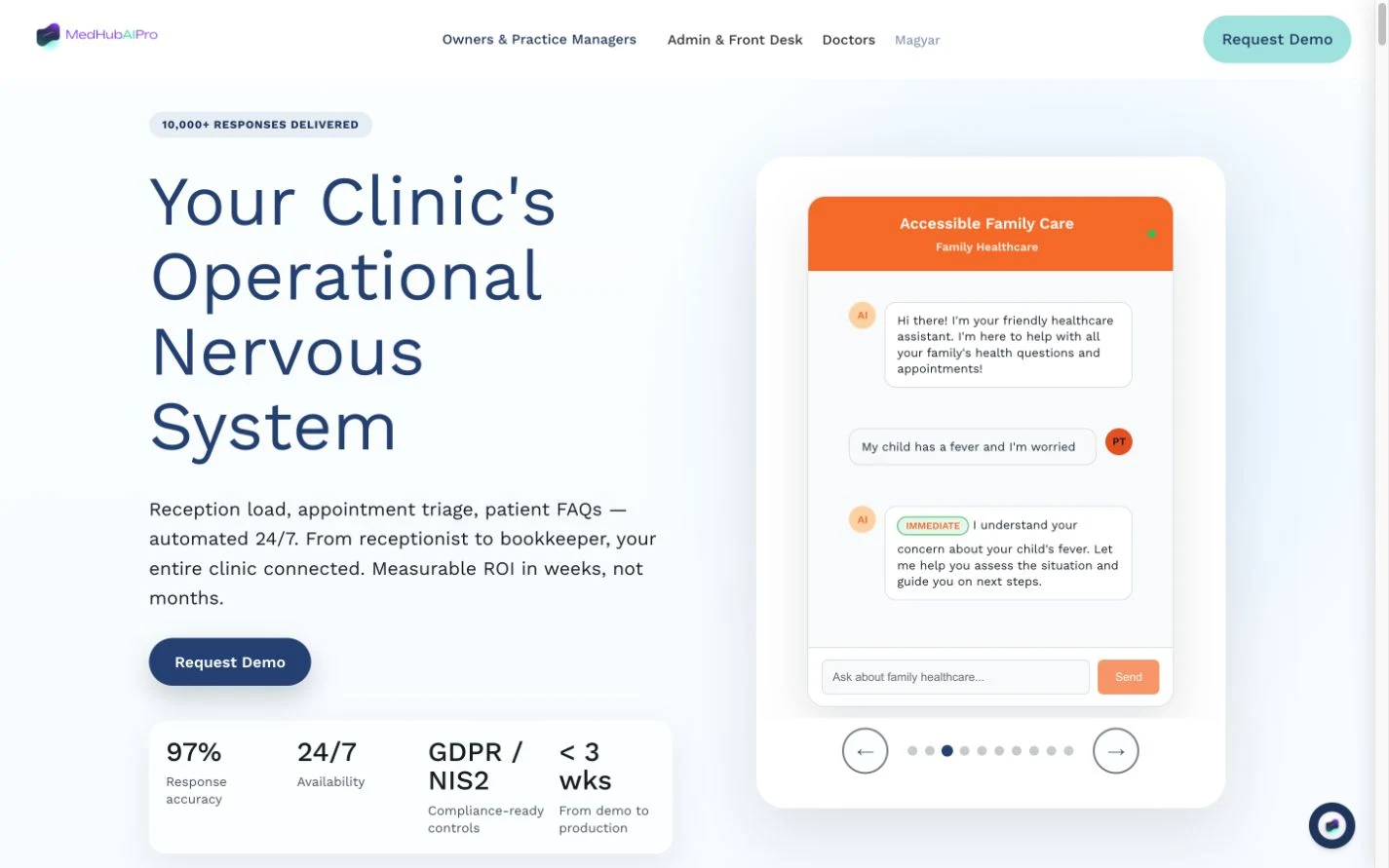
A clinic communications product designed to answer approved routine questions across web, phone, and messaging from one controlled knowledge layer.
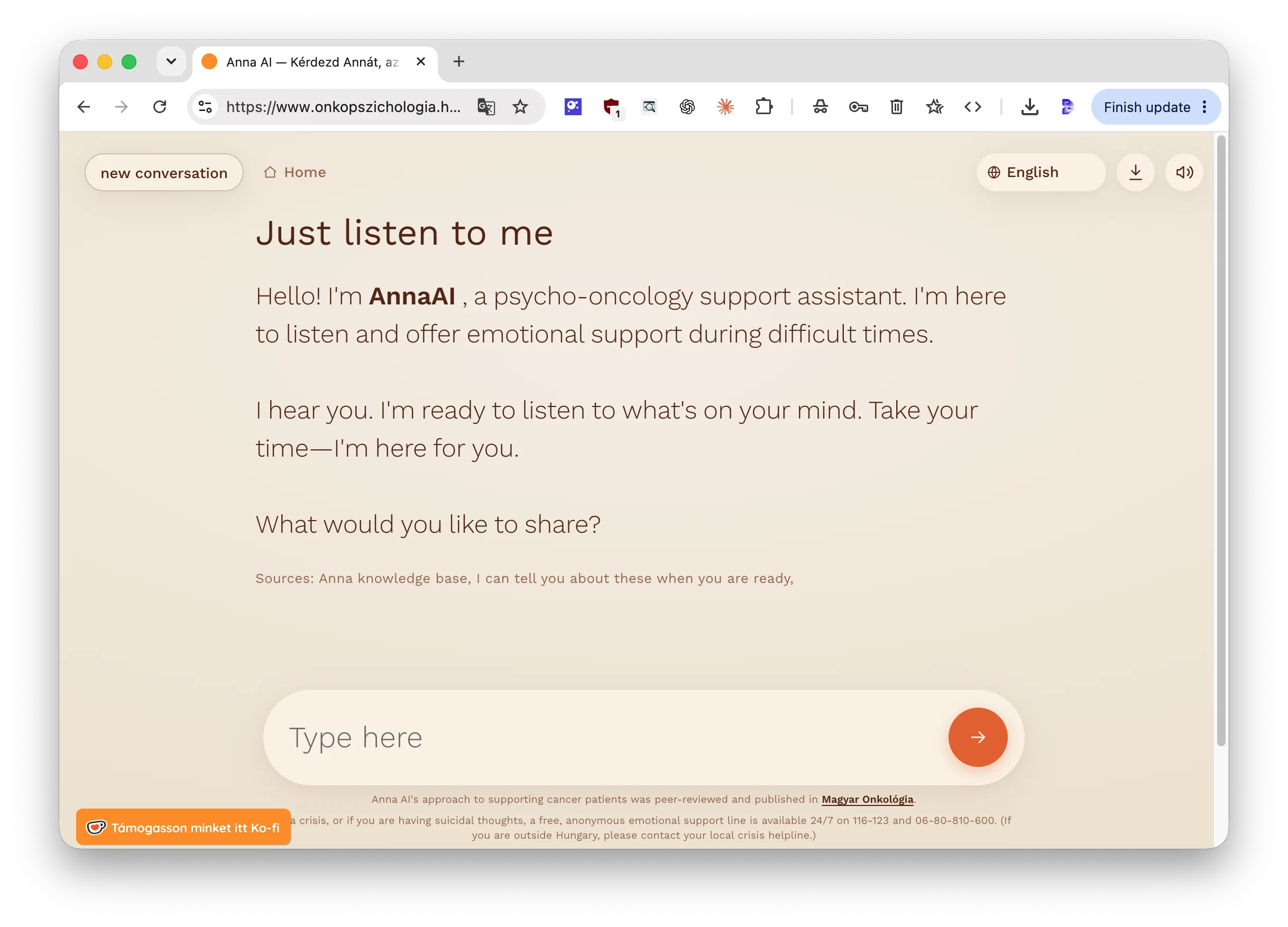
A peer-reviewed psychosocial support assistant for cancer patients and families, with a separate prototype exploring access through local Indian languages.
An open-source, self-hostable wellbeing Q&A assistant for people working in technology, currently in development and coming soon.
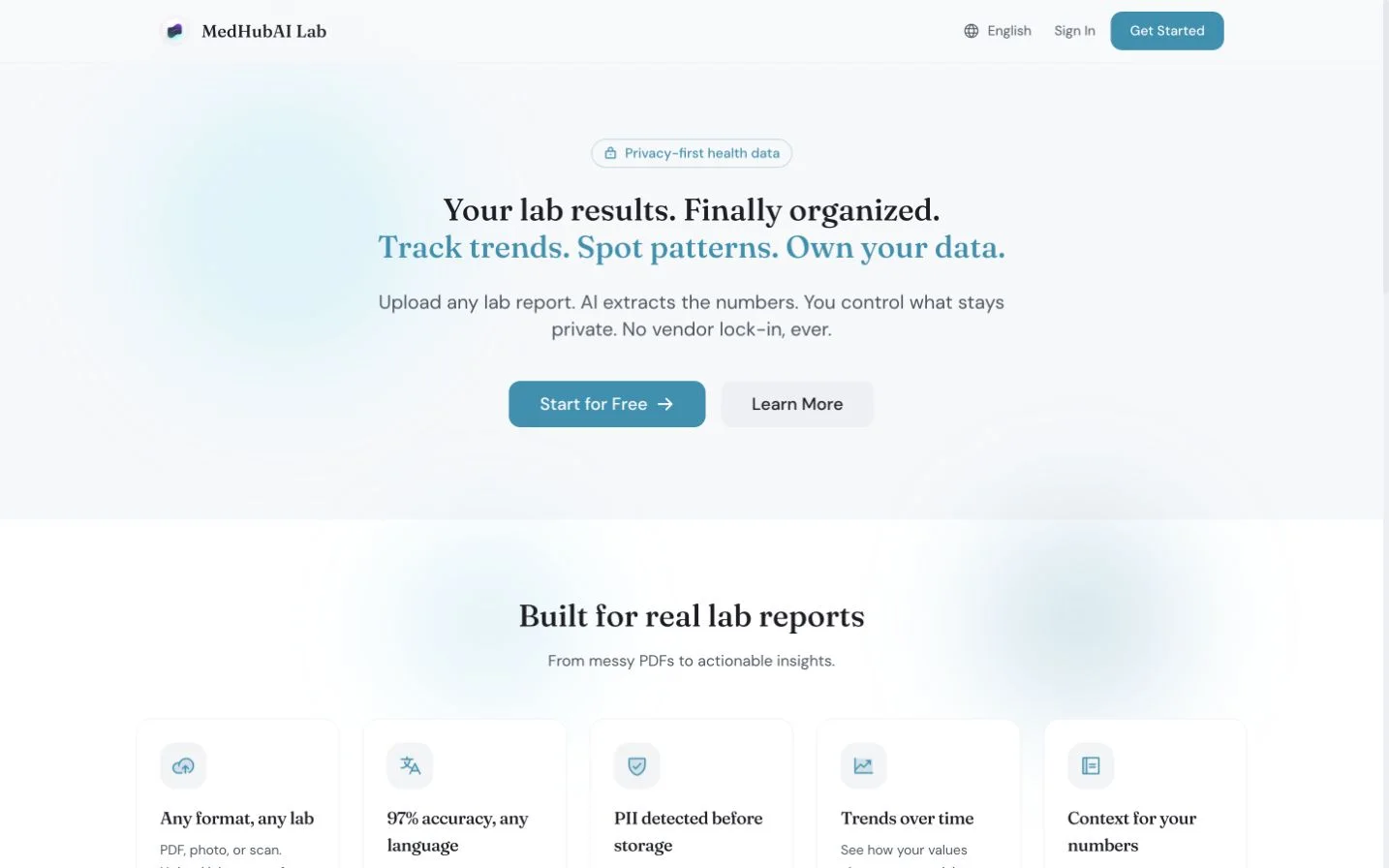
A privacy-first lab-report organiser that turns PDFs, photos, and scans into a reviewable health timeline, with personal-data controls before anything is saved.
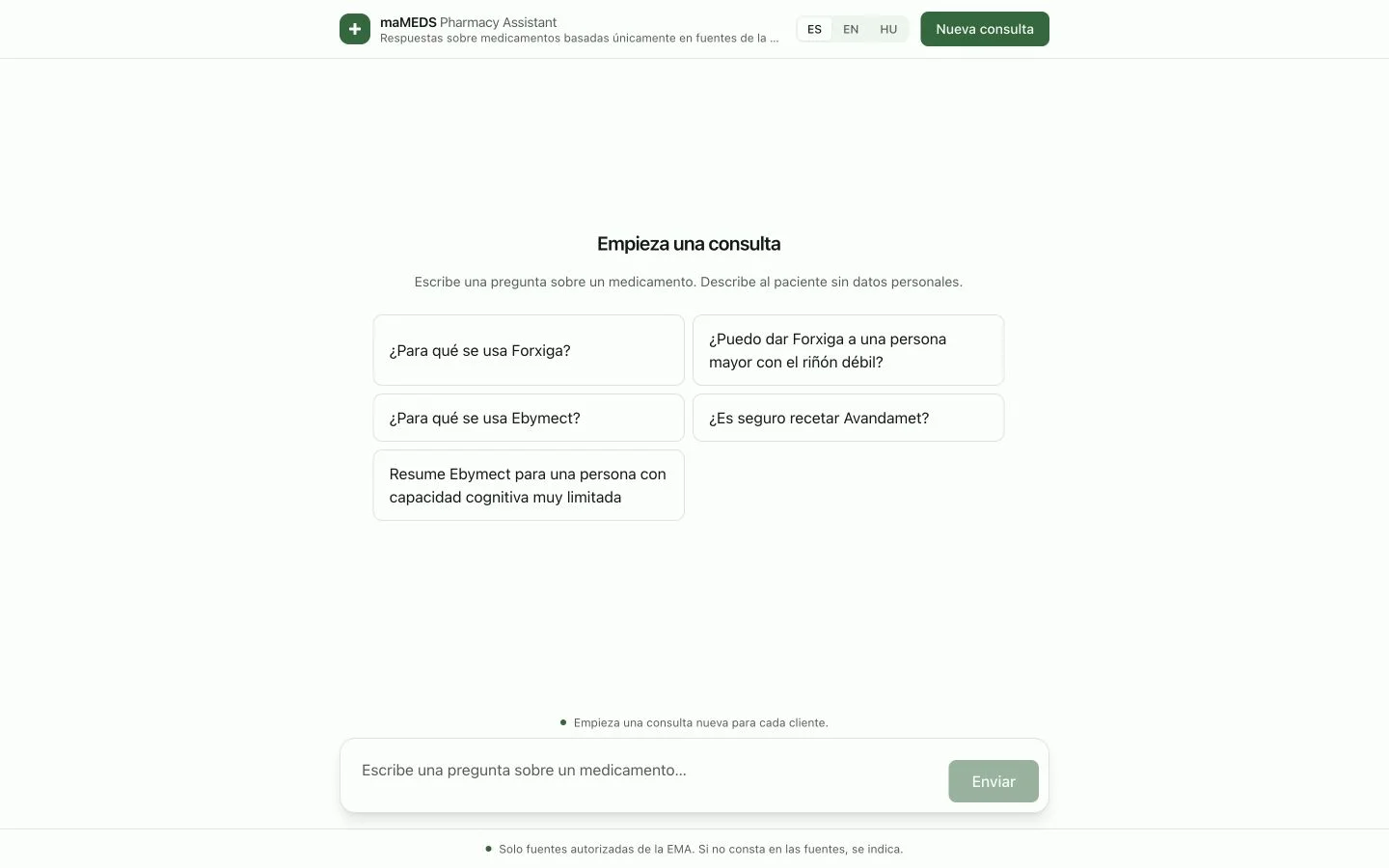
A European-funded winning collaboration between Bencium and Greek and Spanish partners, developing a pharmacist-facing assistant grounded in official medicine documents.
Editorial and research systems that keep the source, uncertainty, and publication decision visible.
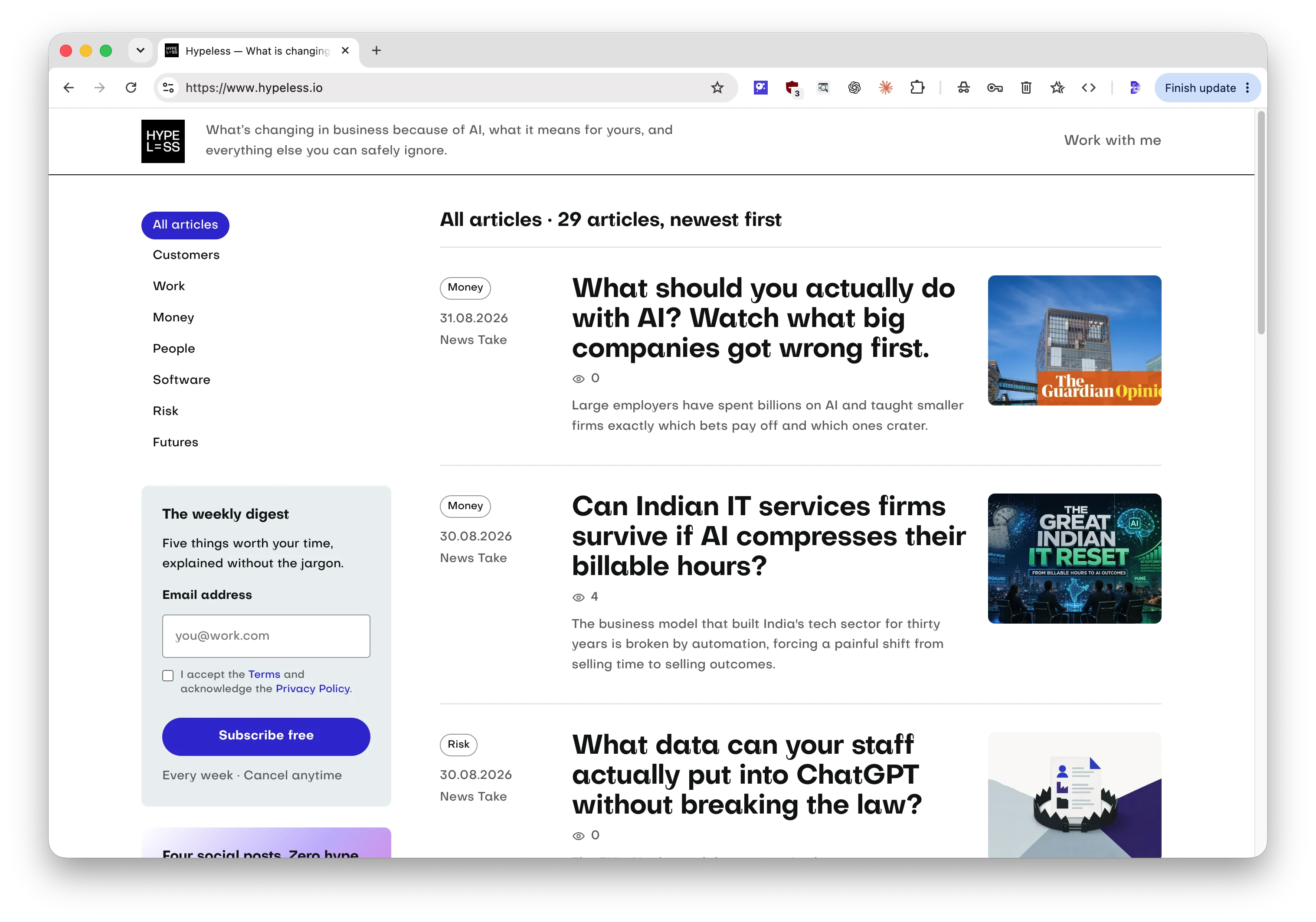
Hypeless translates jargon-heavy source material for a specific audience, then carries it through an editorial system and the world’s simplest social posting tool.
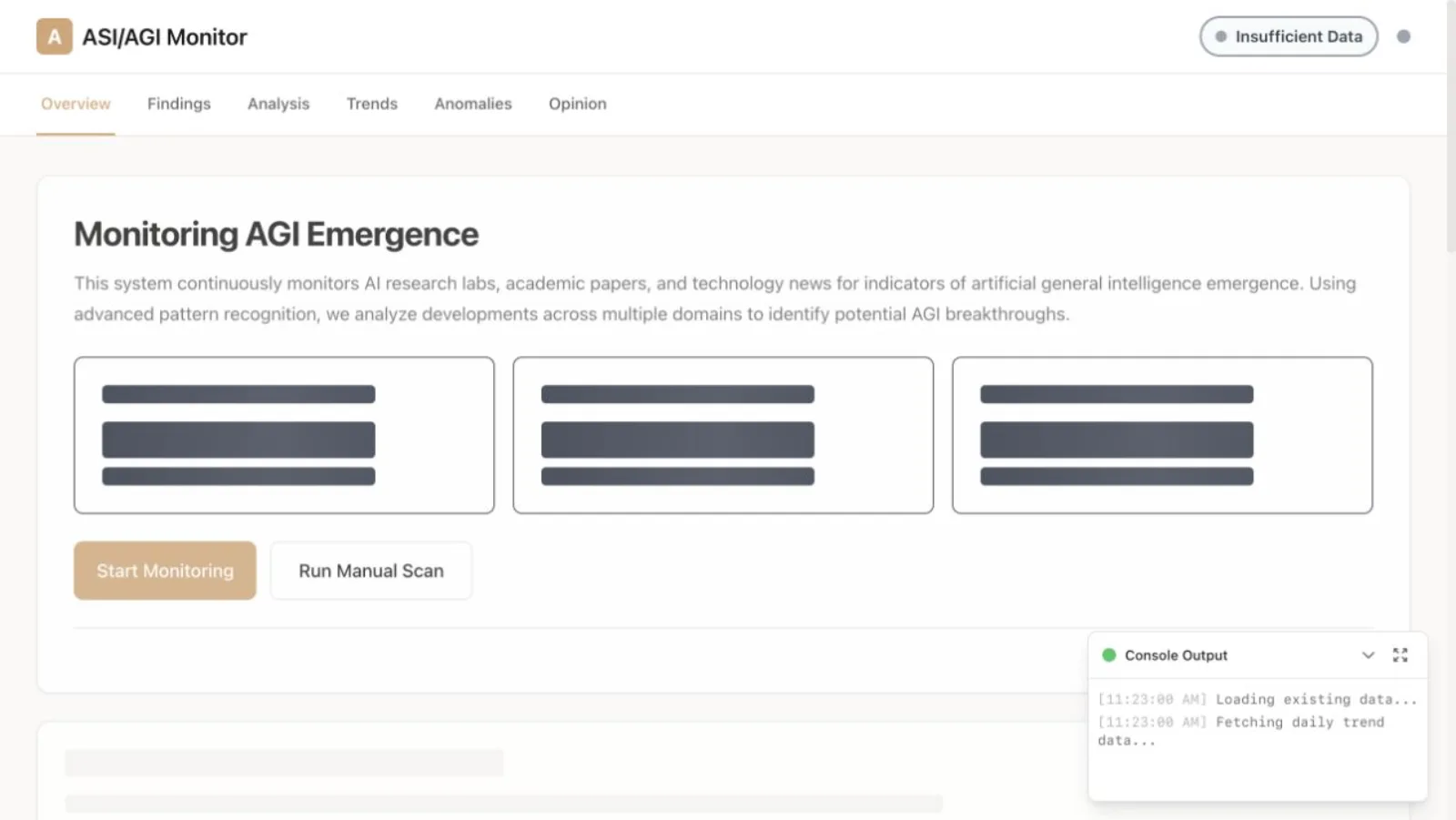
An evidence-assessment dashboard for possible general-capability signals across public AI research, company material, and reporting.
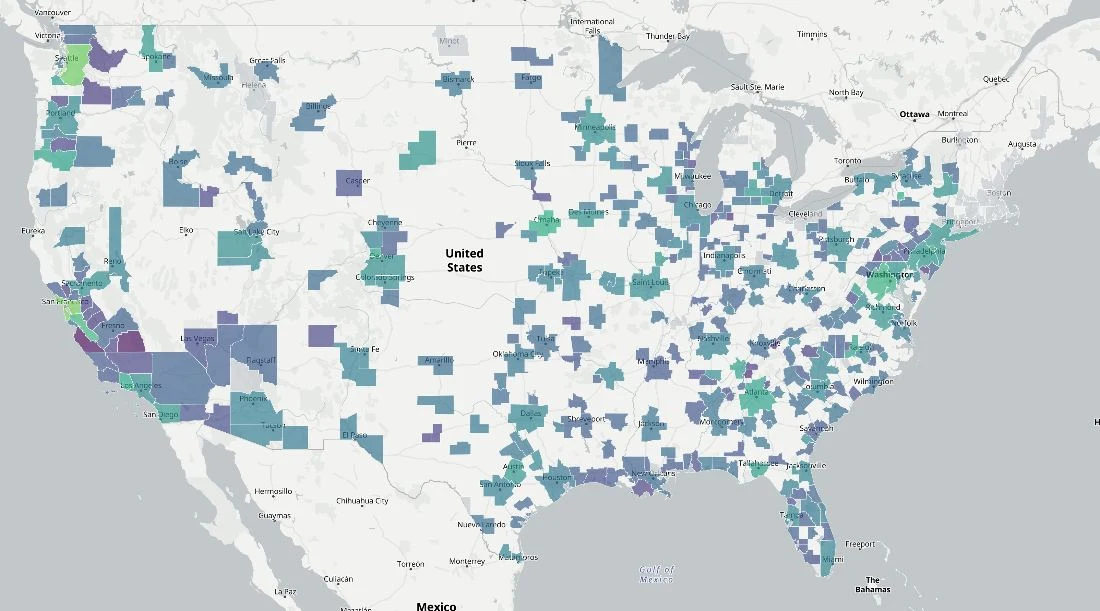
A weekly map of AI and automation exposure across US metro areas, UK regions, and EU NUTS2 regions, with confidence and source context attached to every score.
Location and imagery products that turn the physical world into an ambient view or a reviewable dossier.
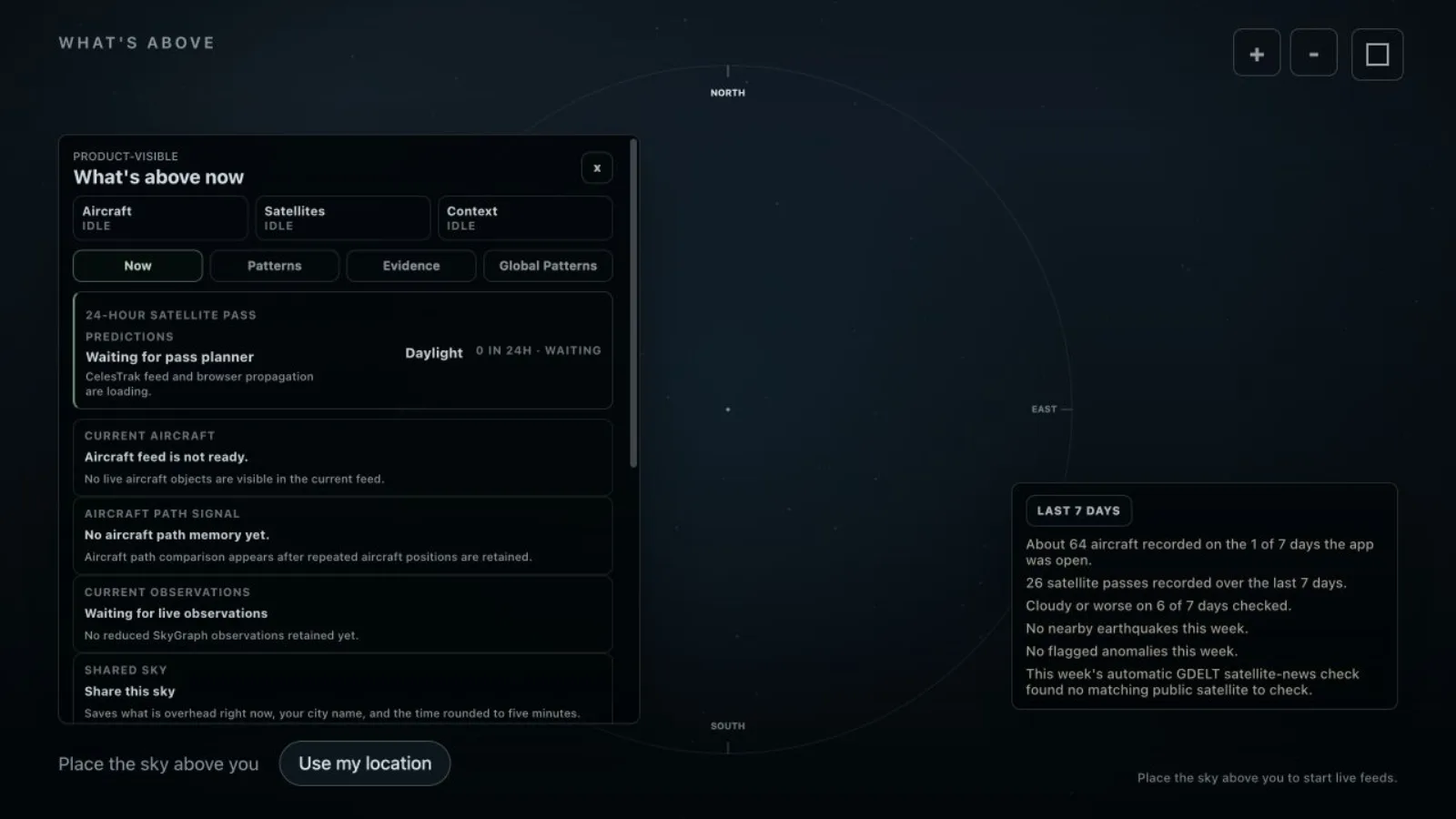
A full-screen ambient experience for a TV, projector, or ceiling, showing planes, helicopters, and satellites above the user as moving labelled dots.
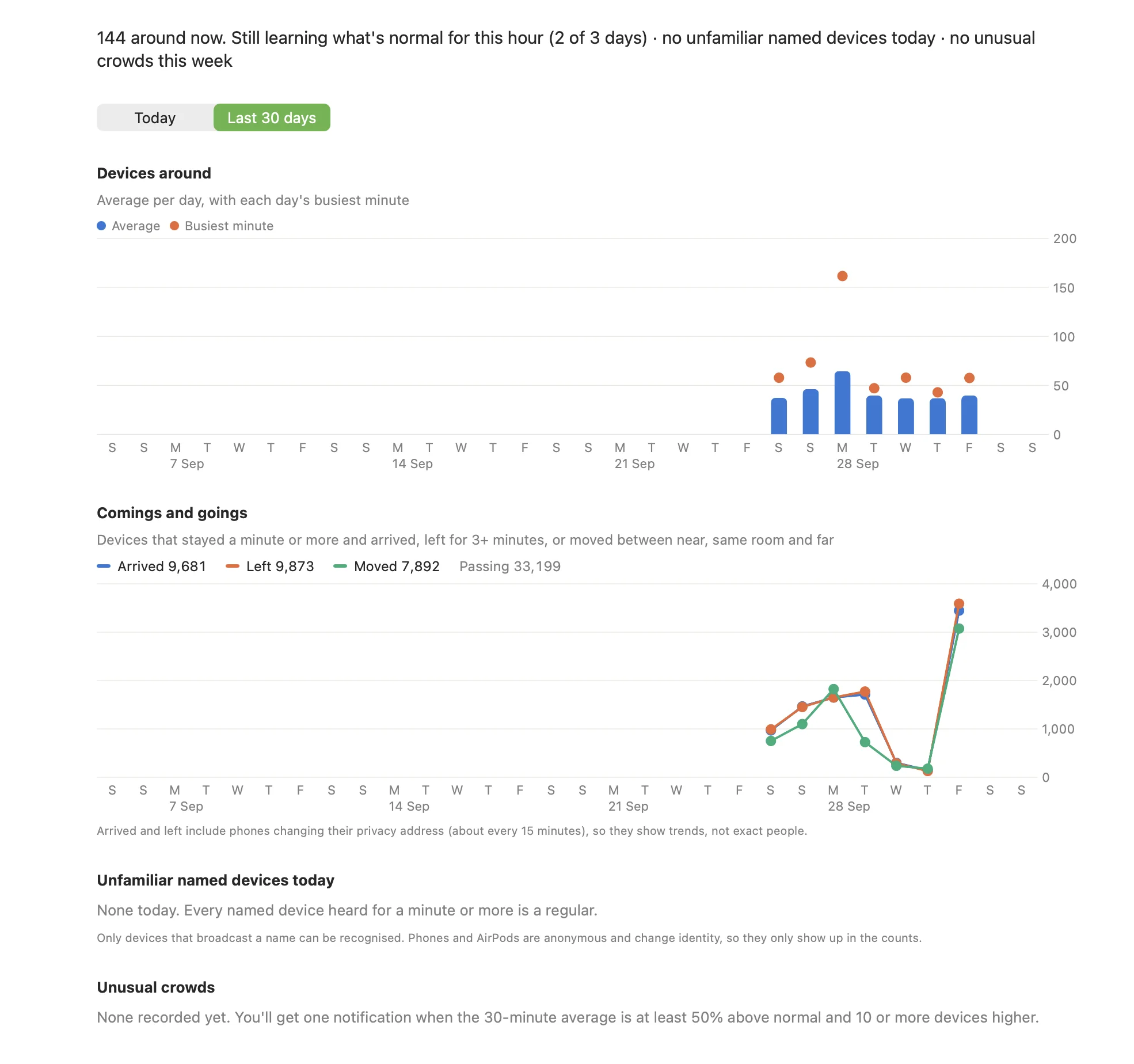
A quiet counter for shops, retail floors and event spaces. It listens for the phones, earbuds and smartwatches people carry, and turns them into a simple picture of how busy you are right now, what a normal day looks like, and when something unusual is happening.
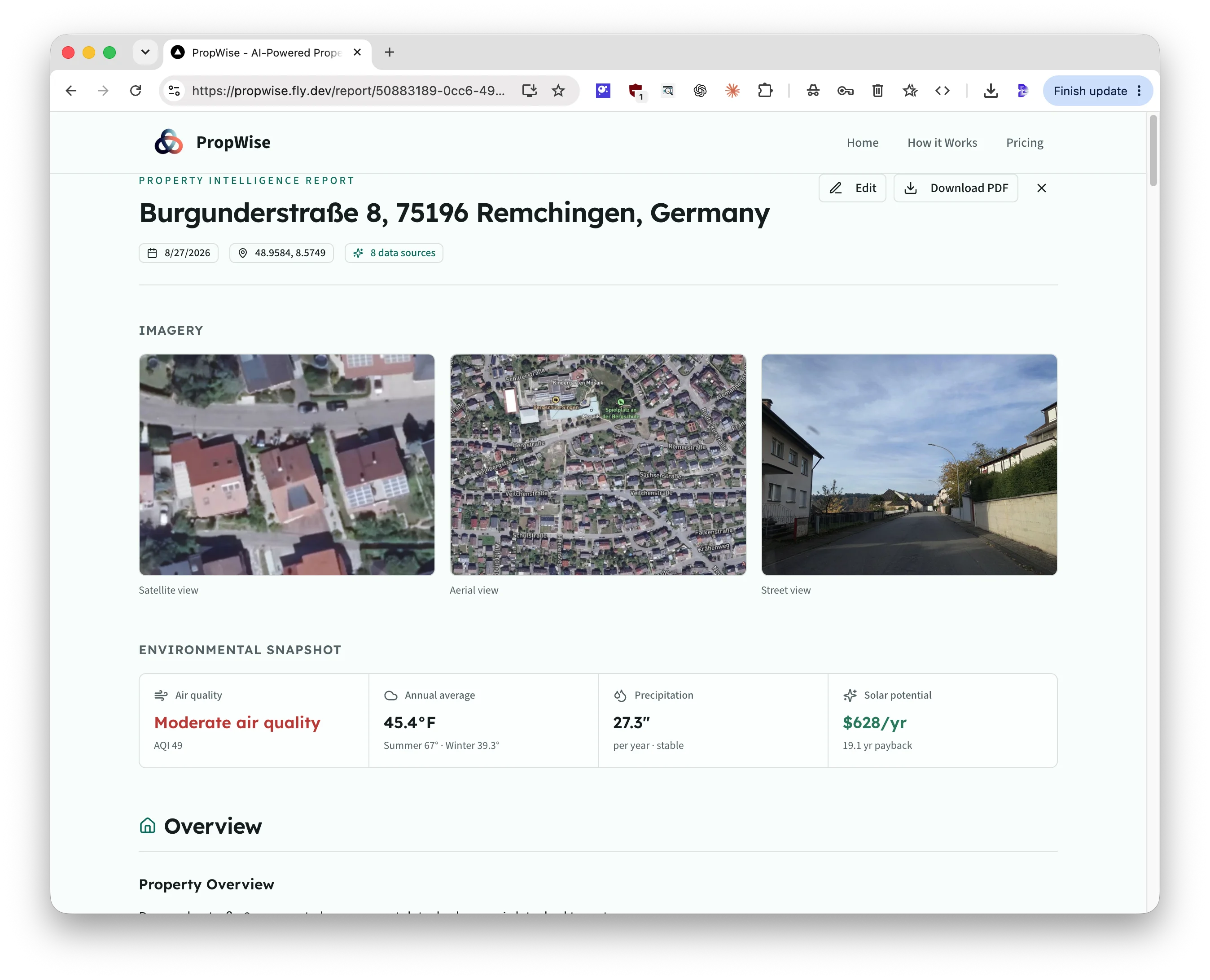
An address-to-property dossier that brings imagery, environmental data, local context, and an editable report into one bilingual workflow.
Early curation, generative art, creative-direction research, and interface experiments.
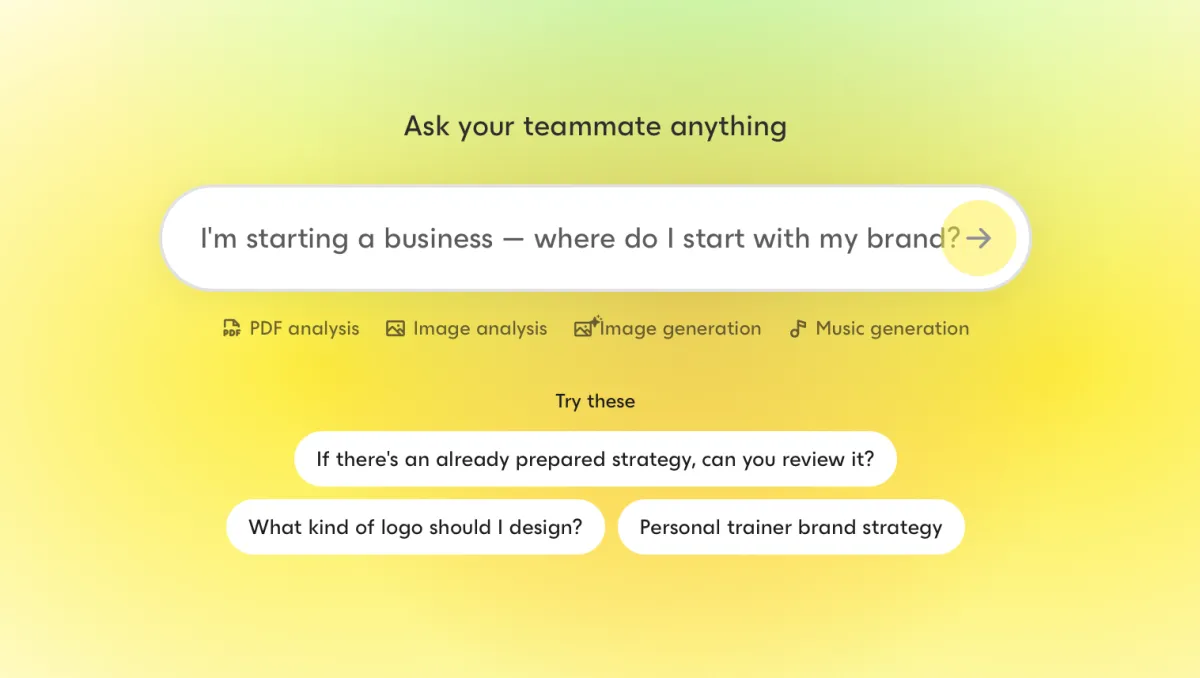
An always-available brand-building teammate for entrepreneurs, turning questions, documents, and visual ideas into clear next steps grounded in 25 years of brand expertise.
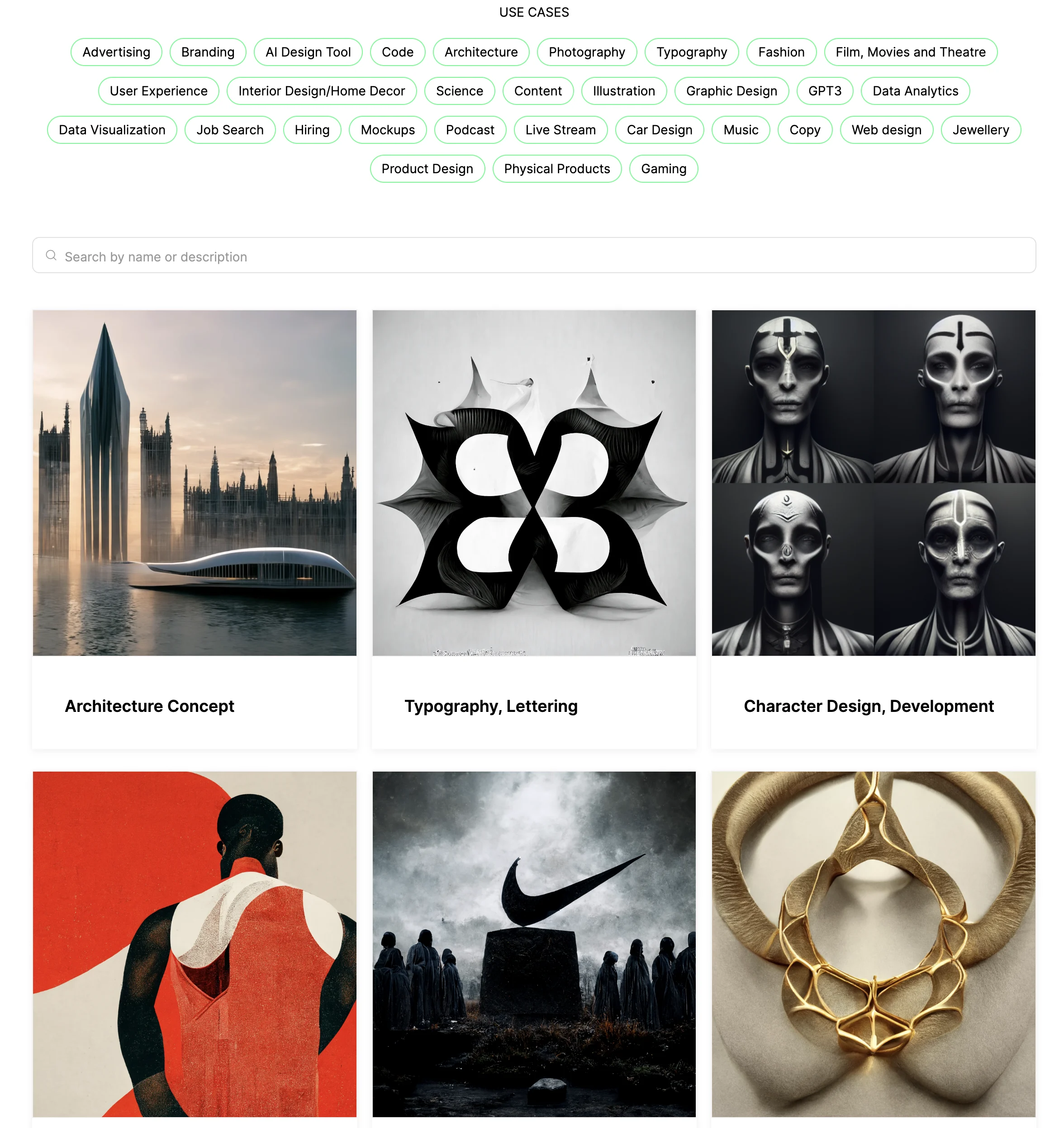
Born in 2021, AI Design Tools was one of the first collection of its kind globally, curating practical tools and ideas at the meeting point of design and artificial intelligence.
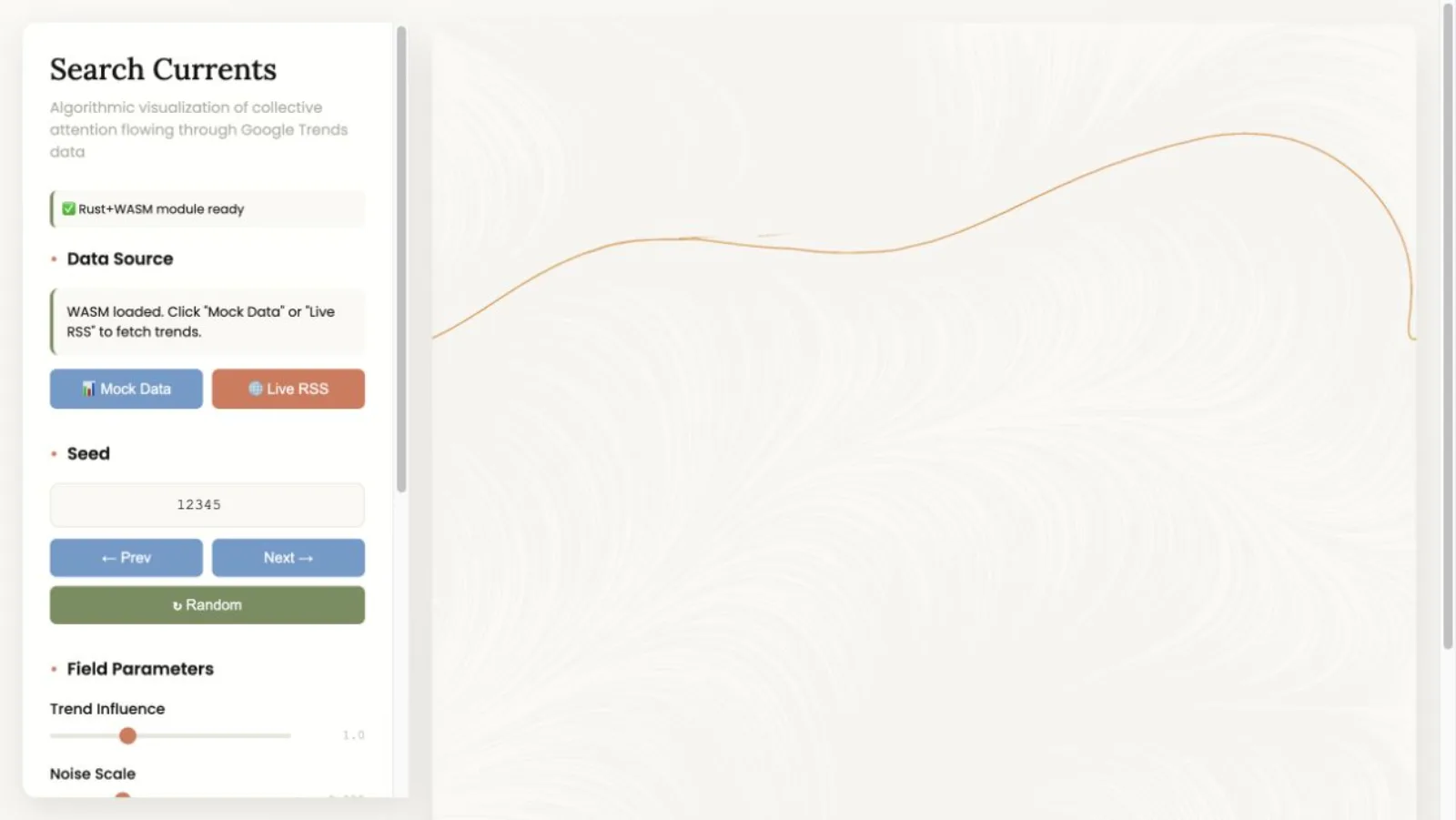
A generative artwork that turns search-trend data into a field of flowing particles and vortices.